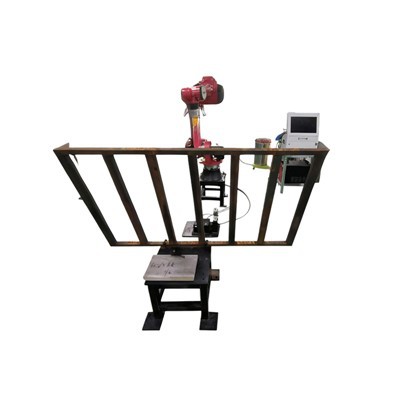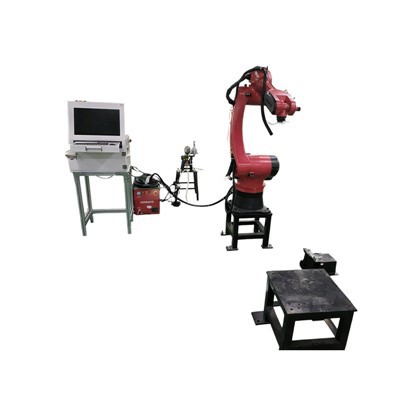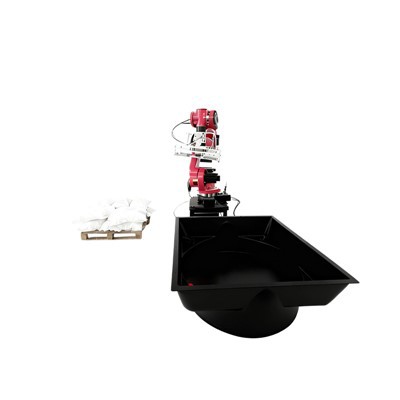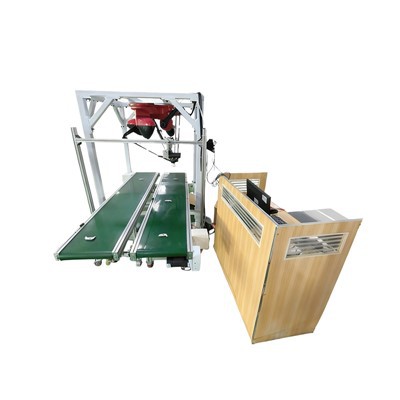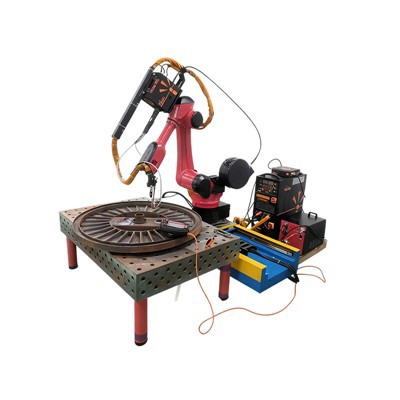
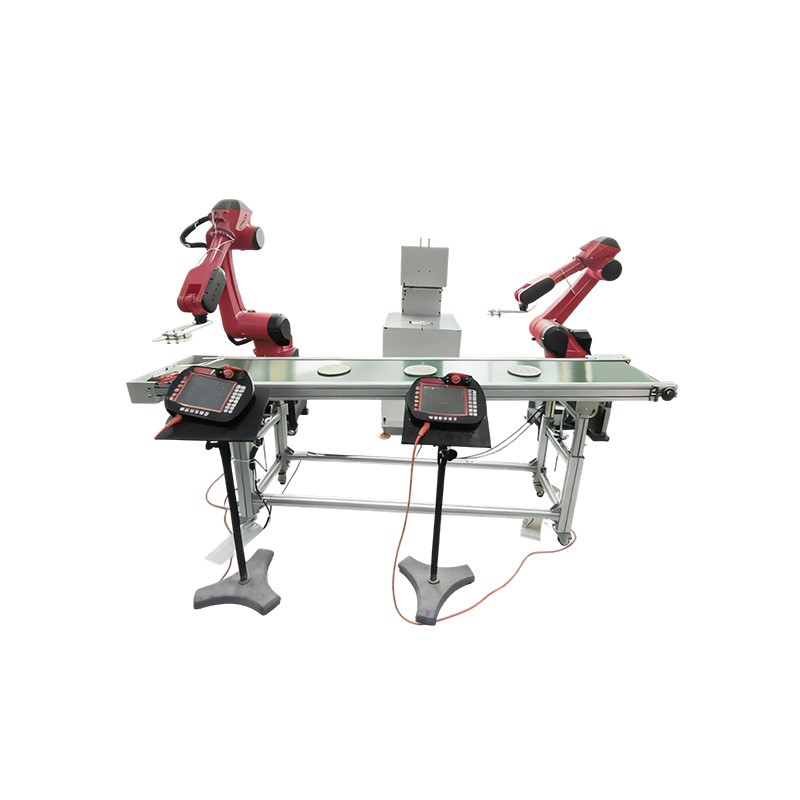
Metal Stamping Robot for Automated Loading & Unloading in Press Lines
Metal stamping robots, driven by servo motors, enable continuous, stable, and safe production on single or multiple stamping press production lines. They are widely used in automotive parts manufacturing, home appliance stamping, hardware manufacturing, electrical housings, and metal forming industries.
Core Advantages of the Metal Stamping Robot
Die positioning is stable within ±0.05 mm.
A stable 10 kg load capacity
Compact 1587 mm work arm enables efficient coordination between the stamping press and the conveying system.
Joint speed up to 342°/s.
Supports single-stamp automation, progressive die lines, and multi-stamp conveyor systems in integrated stamping production lines.
Main Technical Parameters
|
Parameter |
Specification |
|
Axes |
6 |
|
Maximum Payload |
10 kg |
|
Maximum Reach |
1587 mm |
|
Repeat Positioning Accuracy |
±0.05 mm |
|
Robot Weight |
152 kg |
|
Protection Rating |
Body IP50 / Wrist IP54 |
|
Maximum Speed |
J1: 190°/sJ2: 173°/sJ3: 223°/sJ4: 254°/sJ5: 270°/sJ6: 342°/s |
|
Motion Range |
J1: ±165°J2: −95°/+70°J3: −85°/+75°J4: ±180°J5: ±115°J6: ±360° |
|
Allowable Torque |
J4: 32.8 N·mJ5: 32.8 N·mJ6: 17 N·m |
|
Allowable Moment of Inertia |
J4: 0.46 kg·m²J5: 0.62 kg·m²J6: 0.155 kg·m² |
|
Operating Temperature |
0–40 °C |
|
Recommended Temperature |
15–25 °C |
|
Relative Humidity |
20–80% RH (non-condensing) |
|
Air Supply Pressure |
0.5–0.7 MPa |
|
Power Supply |
220V ±10%, 50/60 Hz |
|
Control System |
BORUNTE |
|
Robot Casting Body |
BORUNTE |
|
Servo Motors |
BORUNTE |
|
Reducers |
BORUNTE |
|
Electrical Components |
BORUNTE |
|
Grease Volume |
J1: 900 mlJ2: 800 mlJ3: 400 mlJ4: 50 mlJ5: -J6: - |
|
Timing Belts |
J4: MBT233080303, 3M, 8 mm width, 89 teethJ5: MBT233080301, 3M, 8 mm width, 117 teeth |
|
Standard Accessories |
USB Flash Drive |
Application Industries
Door inner panels, chassis brackets, seat rails, reinforcement parts, and structural components
Home Appliance Industry
Washing machine shells, refrigerator frames, air conditioner housings, microwave components
Hardware & Metal Products
Electrical enclosures, hinges, brackets, shelf connectors, and distribution box housings
Compatible Materials
- Cold-rolled steel sheets
- Hot-dip galvanized steel sheets
- High-strength alloy steel sheets
- Stainless steel sheets
- Aluminum alloy sheets
- Color-coated steel sheets
System Integration in Stamping Production Line
The Metal Stamping Robot works as the core automation unit in a complete stamping line. It can be integrated with:
- Mechanical/hydraulic / servo press machines
- Sheet metal feeding systems
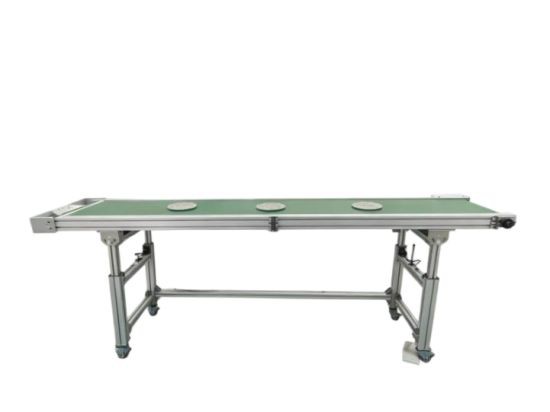
- Conveyor systems
- Progressive die stamping systems
- Die protection systems
- PLC / MES industrial control systems
Custom Engineering Support
We provide full engineering support for stamping automation projects:
- Robot selection based on press tonnage and product size
- Production line layout design
- End-effector customization (vacuum, clamp, magnetic systems)
- Integration with existing stamping equipment
- On-site installation, commissioning, and operator training
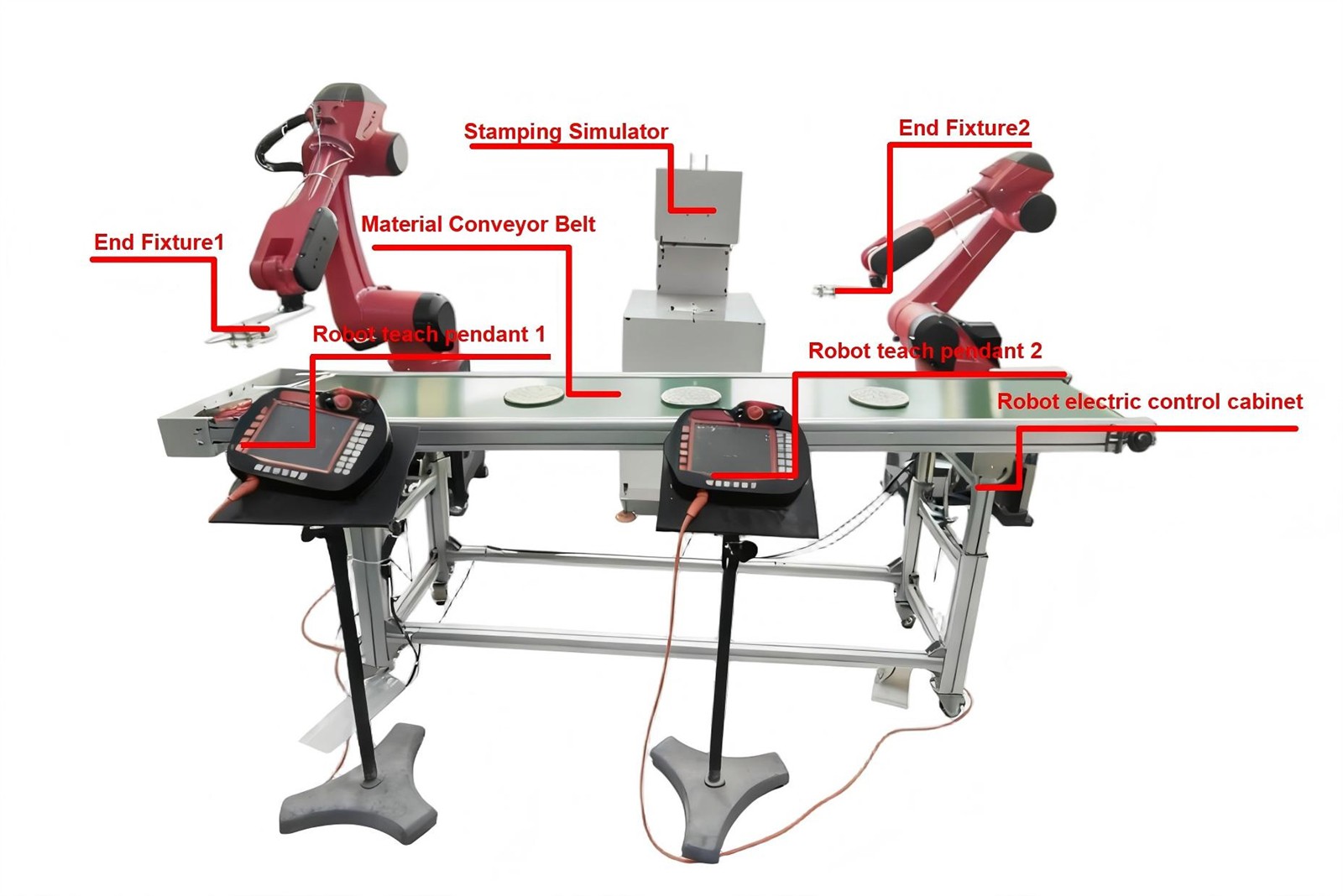
On-Site Simulation and Structural Close-Up Display
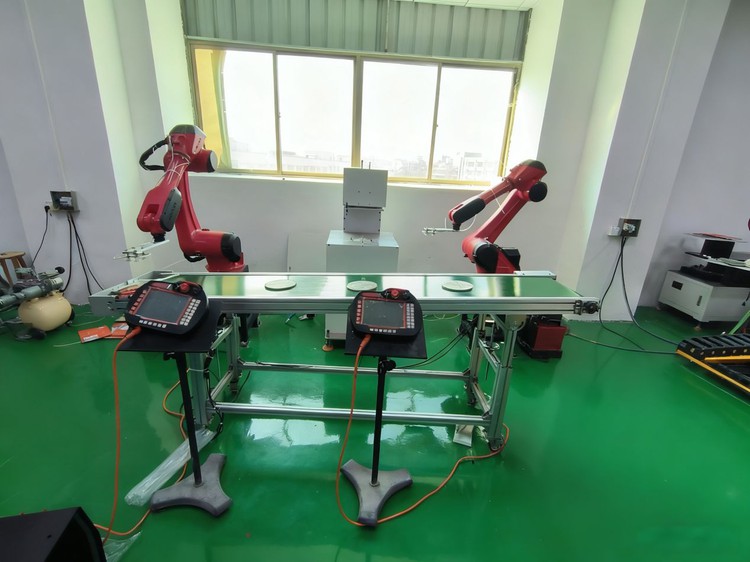
Figure 2.1 On-site Physical Object Diagram
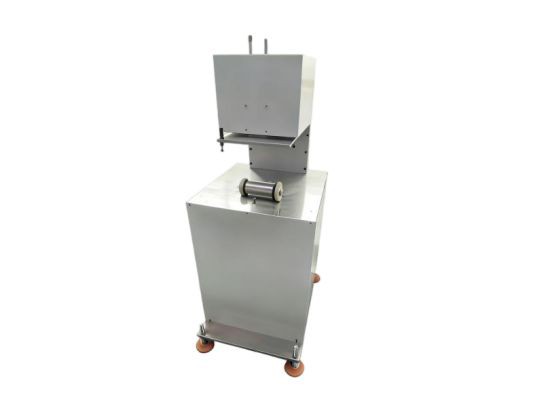
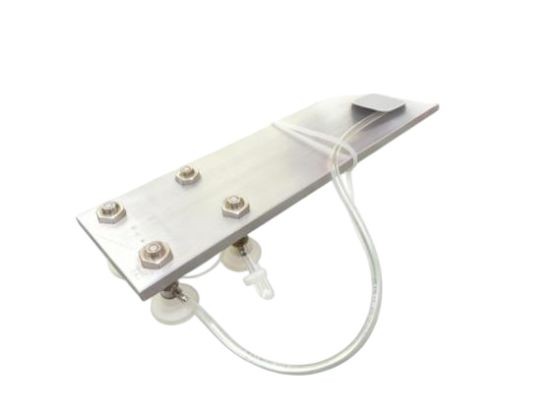
Stamping Simulator
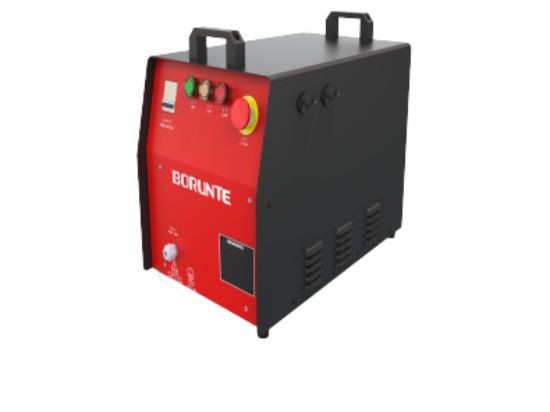
Robot electric control cabinet
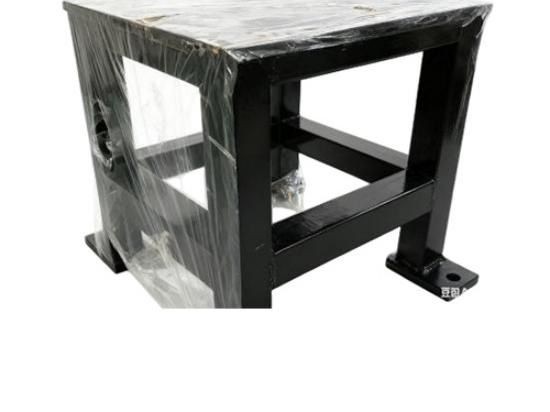
Fixed elevation base for robot
FAQ
Hot Tags: metal stamping robot, China metal stamping robot manufacturers, suppliers, factory, Sheet metal robot, Metal Stamping Robot, Press tending robot, Robot press tending, Die casting robot, High speed stamping robot