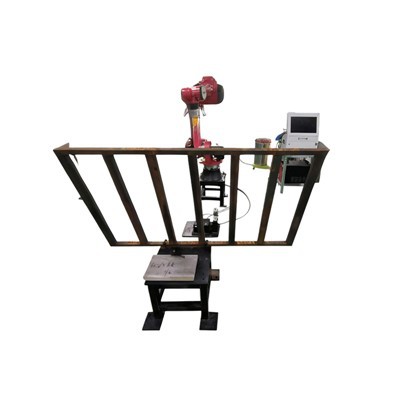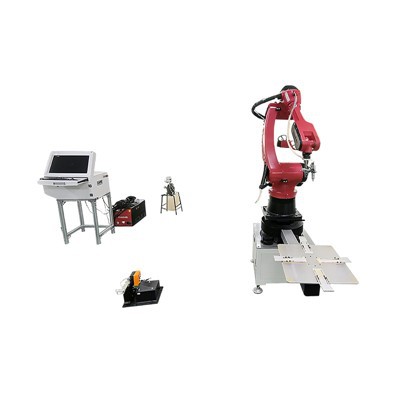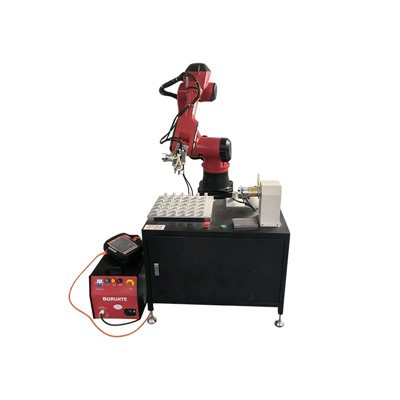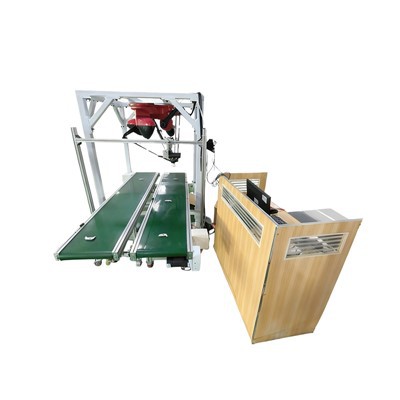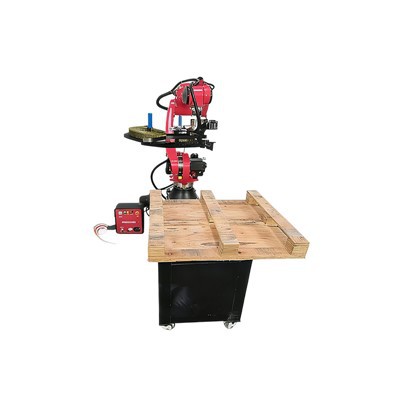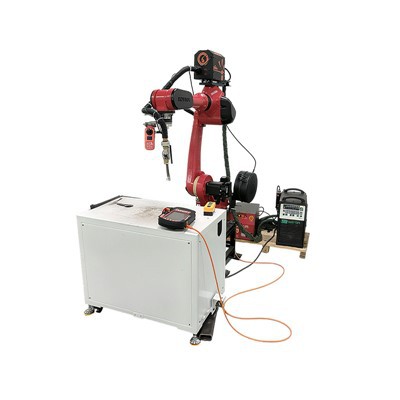
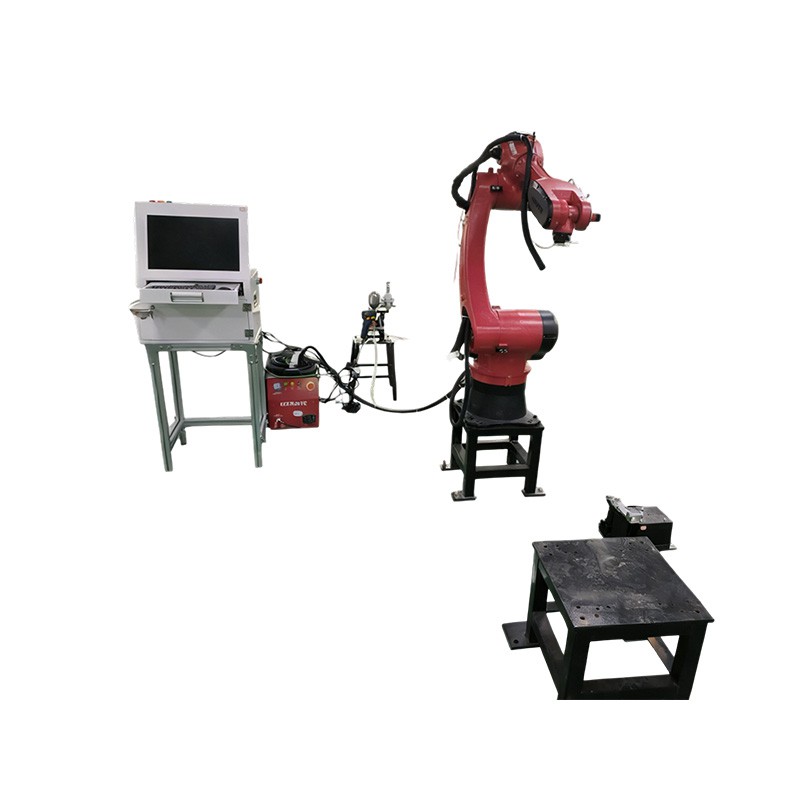
Programming Free Painting Robot for Flexible Production Lines
This programming-free painting robot is suitable for production lines requiring rapid setup, consistent repeatability, and reduced reliance on dedicated robot programmers. It addresses the inherent bottlenecks of programmable robots used in frequent product changes.
Where Is It Suitable For
This system is typically applied when:
Product models change frequently within the same coating line
Production cannot afford long robot reprogramming cycles
Coating tasks must be adjusted directly by operators on site
Batch sizes are small to medium, with repeated switching demand
Line efficiency is limited by setup and changeover time
Why Choose Our Programming Free Painting Robot
High-Precision Spraying
±0.05mm repeat positioning maintains consistent spray path execution during repeated production cycles.
Stable Load Capacity
10kg payload ensures stable operation of the spray gun and hose system.
Multi-Surface Coverage
6-axis robotic arm with 360° end rotation enables stable spraying on curved, recessed, and angular surfaces within a single cycle.
No-Programming Deployment
A single teaching pass allows automatic trajectory execution via the control system, eliminating offline programming during product changeovers.
Industrial Durability
Aluminum alloy and high-strength steel structure with IP54 wrist and IP40 body protection ensures stable operation in coating environments over long production periods.
Technical Reference
|
Parameter |
Specification |
|
Arm Span |
1587 mm |
|
Repeat Positioning Accuracy |
±0.05 mm |
|
Maximum Load |
10 kg |
|
Power Capacity |
5.06 kVA |
|
Equipment Weight |
152 kg |
|
Protection Class |
Wrist IP54, Body IP40 |
Material & Coating Compatibility
|
Substrate |
Compatible Coatings |
|
Cold-rolled steel |
Amino baking paint, acrylic enamel, polyurethane |
|
6061 / 6063 aluminum |
Acrylic enamel, polyurethane, protective coatings |
|
Galvanized steel |
Epoxy coatings, anti-corrosion polyurethane |
|
Zinc alloy / die-cast parts |
Epoxy, polyurethane topcoat |
|
ABS / PC plastics |
UV coatings, acrylic systems |
|
PP + glass fiber |
Adhesion-enhanced acrylic / functional coatings |
|
Anodized aluminum |
Transparent protective, weather-resistant coatings |
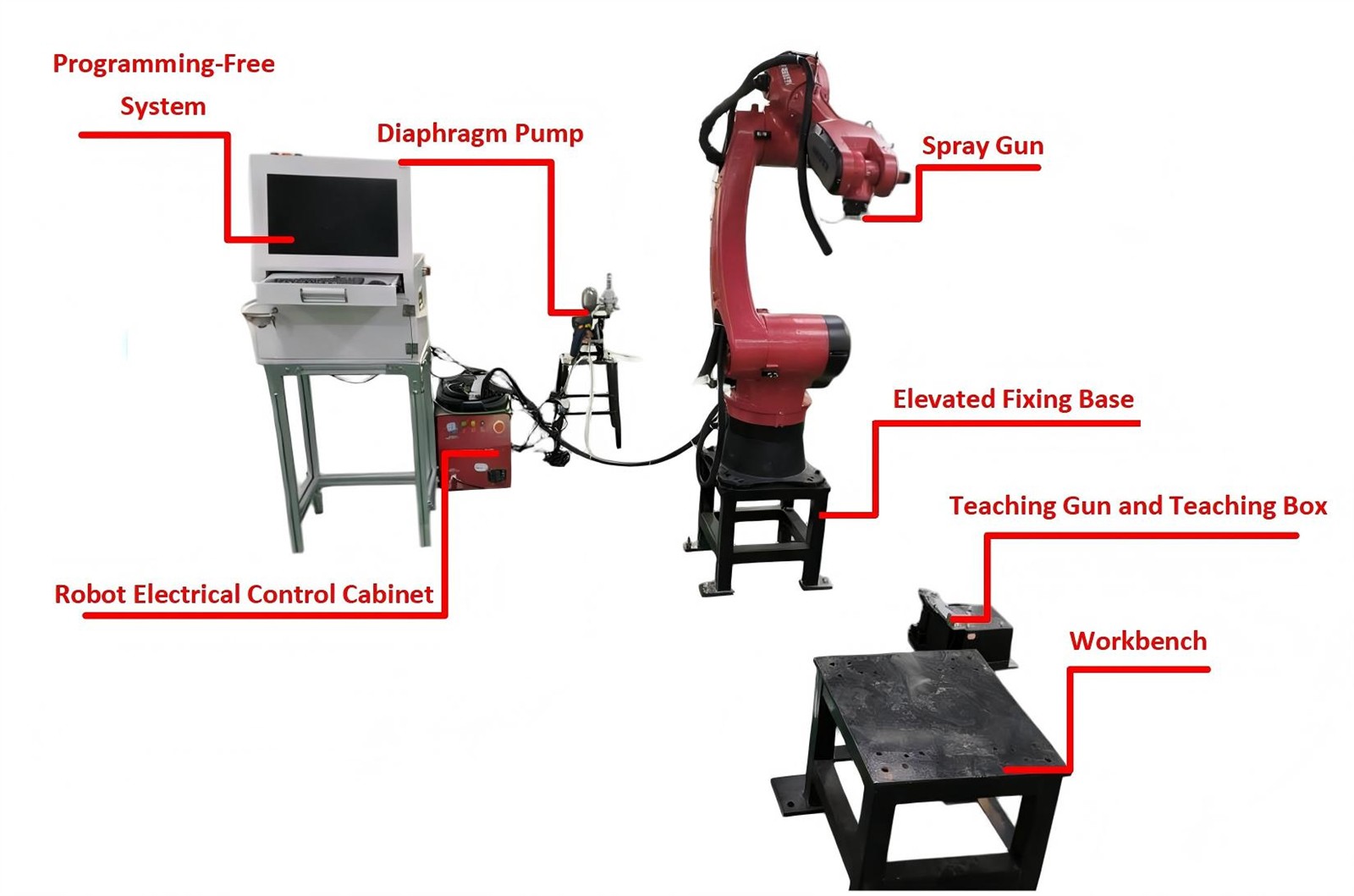
On-Site Simulation and Structural Close-Up Display
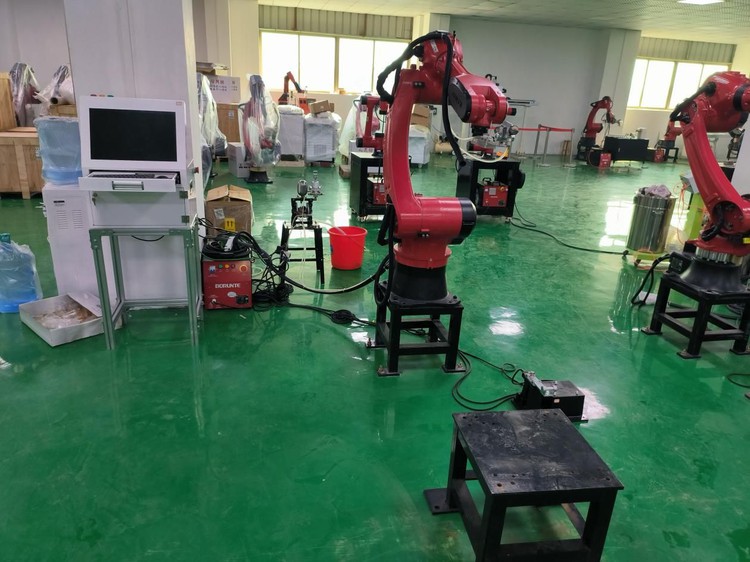
Figure 2.1 On-site Physical Object Diagram
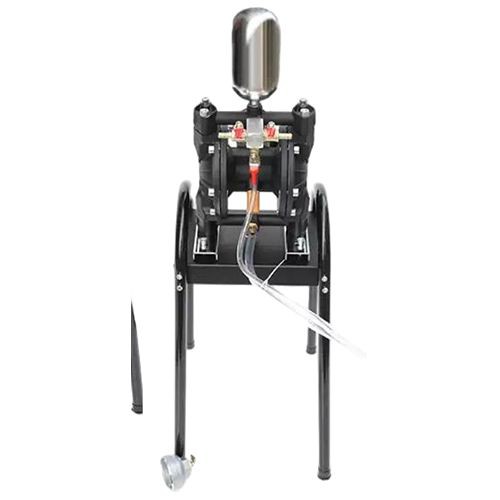
Diaphragm Pump
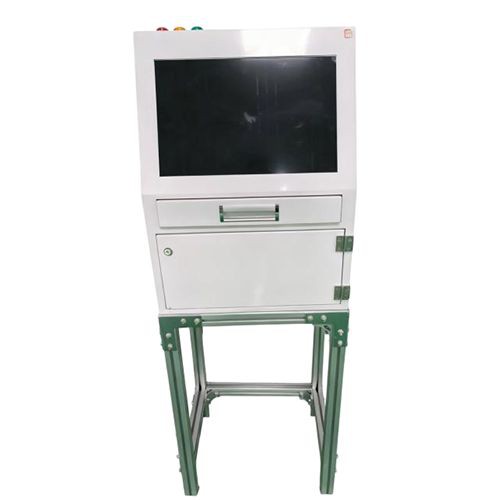
Programming-Free System
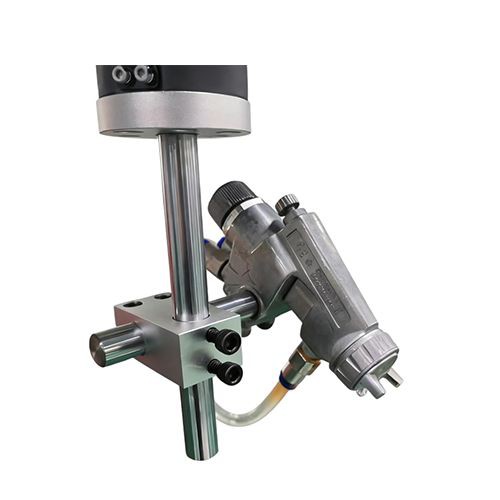
Spray Gun
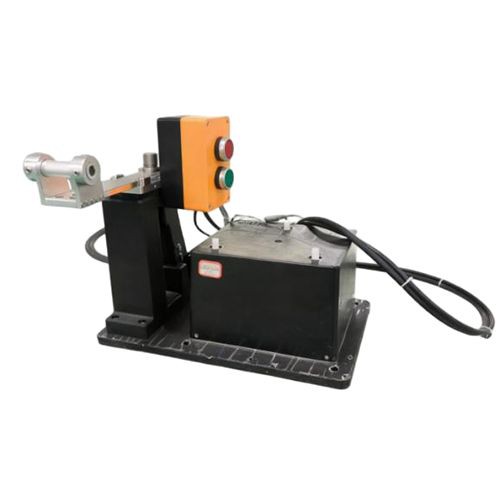
Teaching Gun and Teaching Box
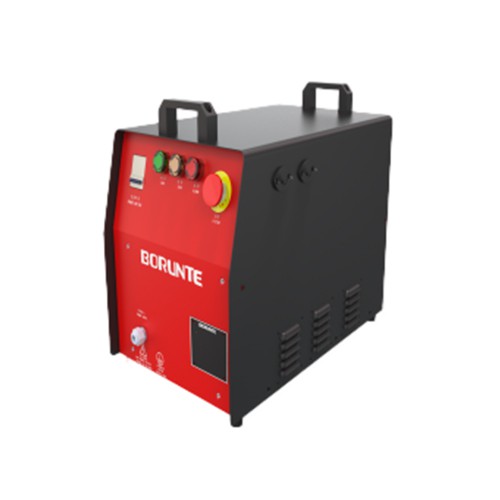
Robot Electrical Control Cabinet
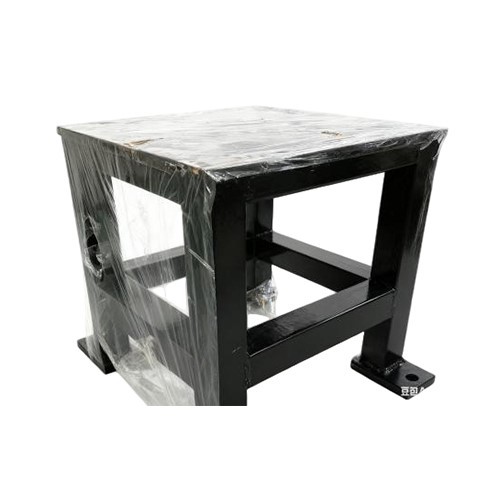
Elevated Fixing Base/Workbench
FAQ
Hot Tags: programming free painting robot, China programming free painting robot manufacturers, suppliers, factory, Automotive Spraying Robot, spray painting in robotics, industrial spraying robot, robotic spray painting machine, robotic spray painting, robotic arm spray painting