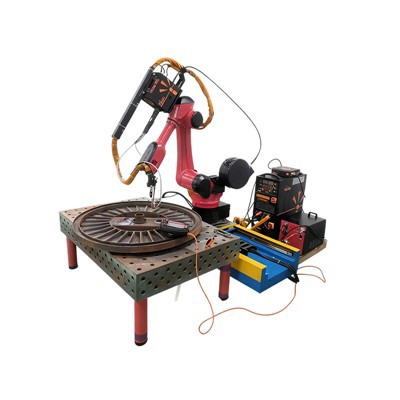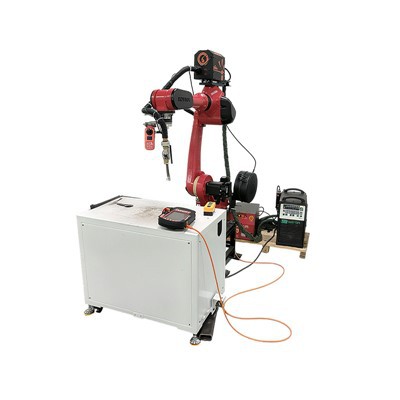
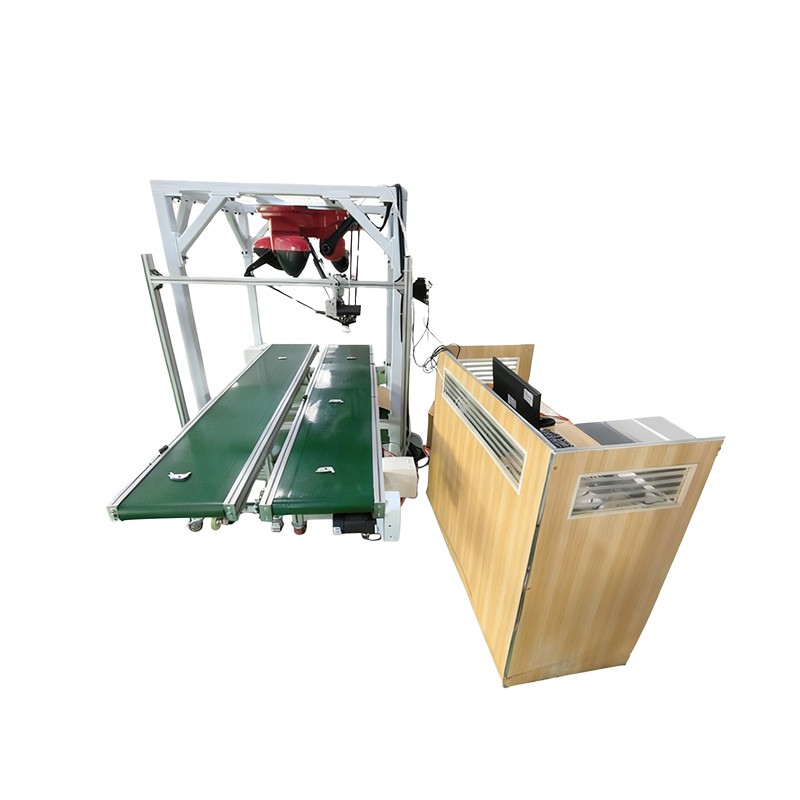
Why This Sorting Robot Stands Out
High-Speed, High-Precision Sorting – Arm repeat positioning accuracy of ±0.1 mm.
Flexible Handling – End suction cup fixture and adjustable 2D vision system enable sorting of different shapes and sizes.
Seamless Integration – Works with existing conveyor belts and production lines.
Lightweight and Compact – Total equipment weight ~104 kg, arm span 1,000 mm. Easy relocation or integration into compact work cells.
Reliable industrial-ready – Power capacity 3.18 kVA, protection class IP40, suitable for standard factory environments.
Technical Parameters
|
Parameter Category |
Specific Specification |
|
Arm Span |
1,000 mm |
|
Repeat Positioning Accuracy |
±0.1 mm |
|
Maximum Load |
3 kg |
|
Power Capacity |
3.18 kVA |
|
Equipment Weight |
Approximately 104 kg |
|
Protection Class |
IP40 |
Applications
E-commerce and warehouse order fulfillment – Handling diverse SKUs quickly.
Food and beverage packaging – Gentle sorting of delicate items.
Electronics manufacturing – Accurate placement of small components.
Automotive component assembly – Fast sorting of various parts.
Custom manufacturing – Flexible handling of irregular product shapes.
Why Choose Us
- Experienced industrial robot manufacturer with proven solutions.
- ISO/CE certified, reliable and safe, suitable for industrial applications.
- Provides comprehensive support for installation, training, and maintenance.
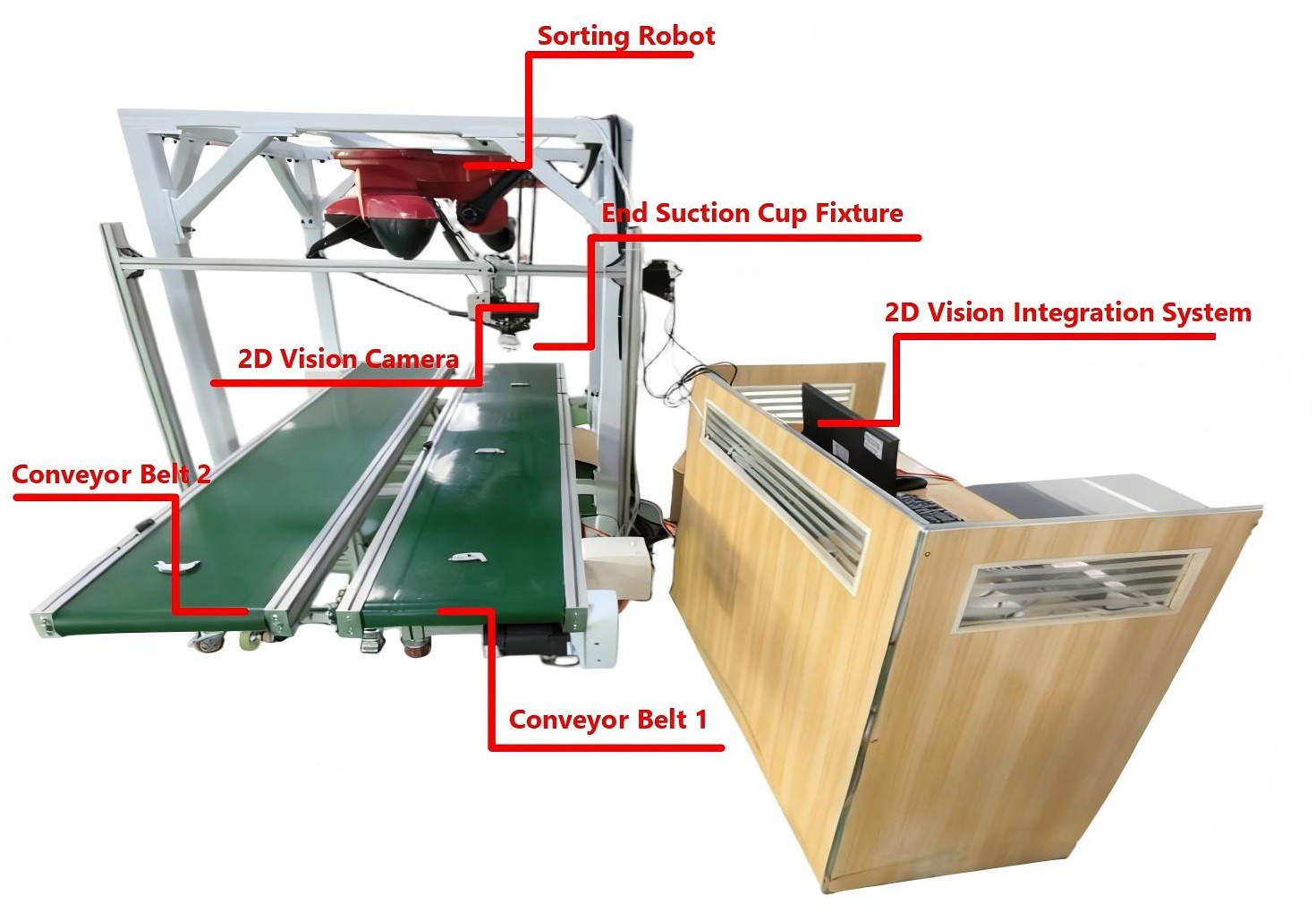
Application Fields and Compatible Materials
| Application Scenario Category | Specific Application Objects | Adaptable Materials |
|---|---|---|
| Electronic Manufacturing Industry | Small resistors, capacitors, chip carriers, connectors, and other electronic components | Plastics, metals, ceramics |
| Light Industry | Cosmetic samples, stationery accessories (e.g., pen caps, buttons), and small food packaging parts | Plastics, paper, composite materials |
| Auto Parts | Small buckles, wire harness connectors, and micro-sensor housings | Plastics, light metals |
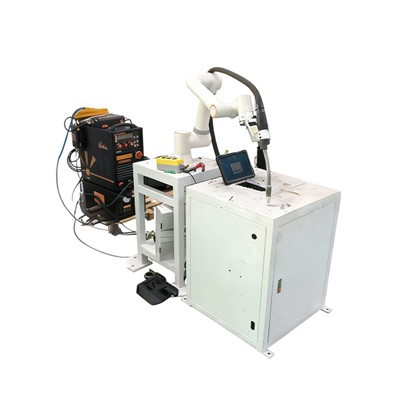
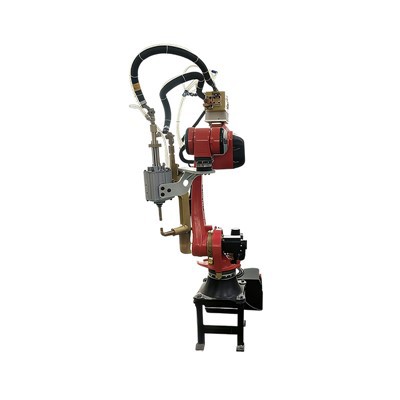
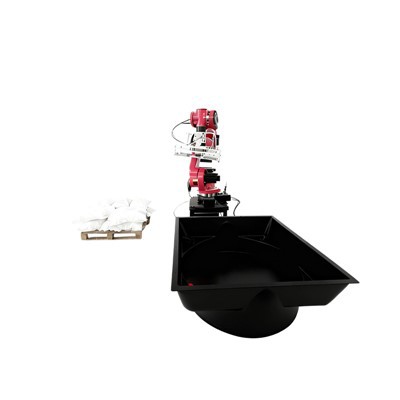
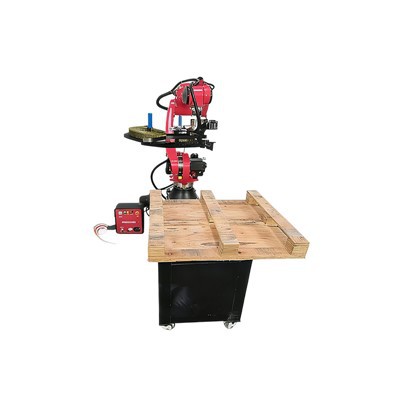
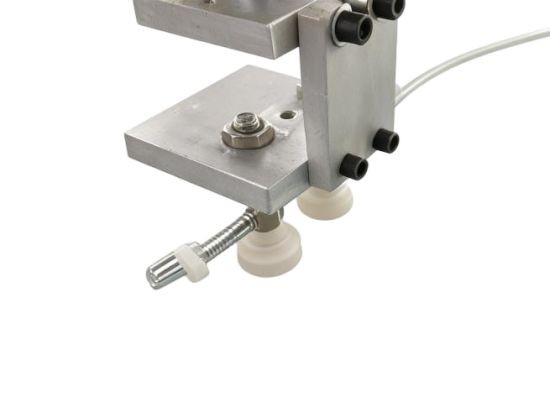
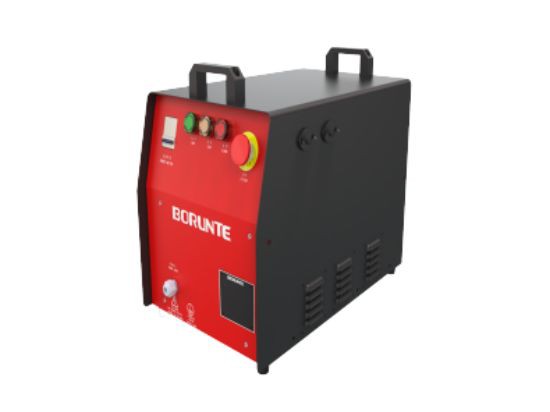
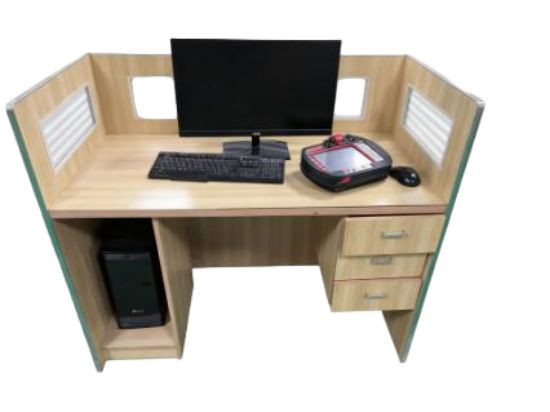
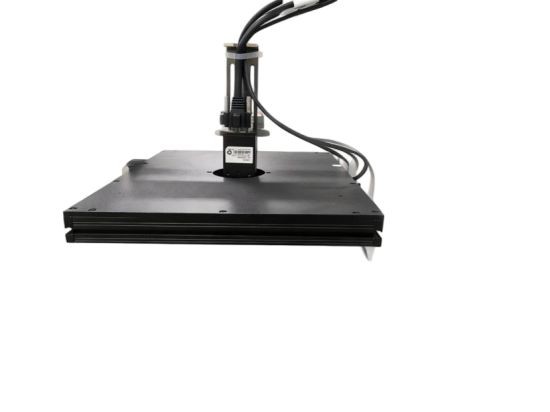
On-Site Simulation and Structural Close-Up Display


FAQ
Hot Tags: sorting robots, China sorting robots manufacturers, suppliers, factory, industrial delta robot, small delta robot, Sorting Robots, robotic arm sorting, delta robot, warehouse robotic sorting