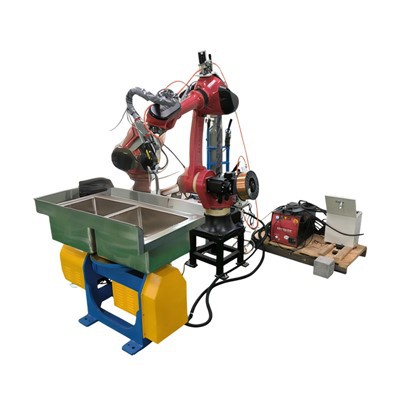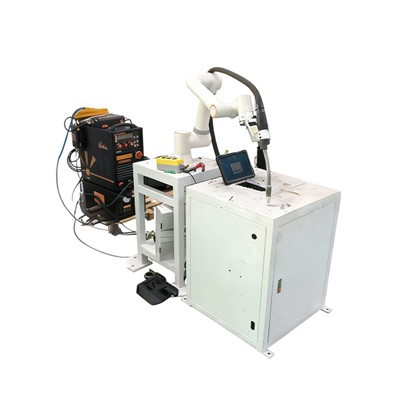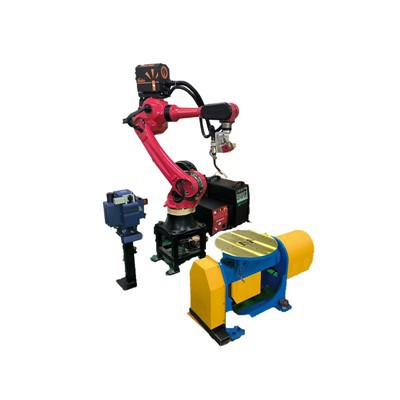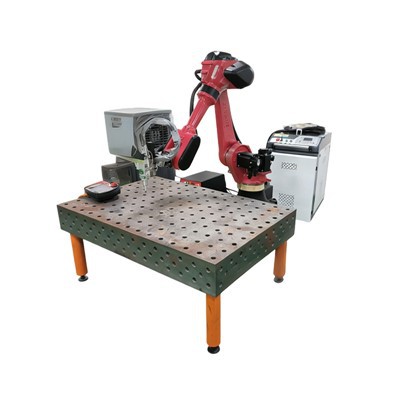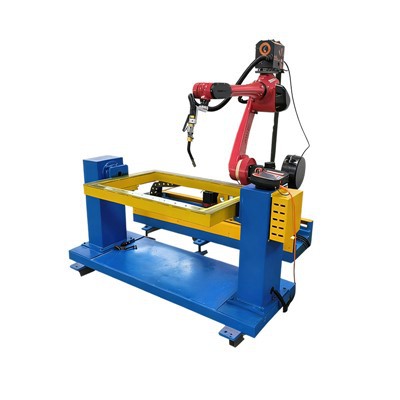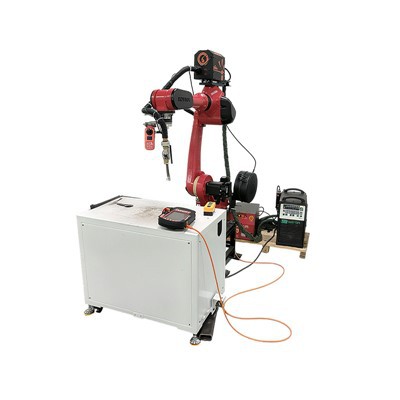
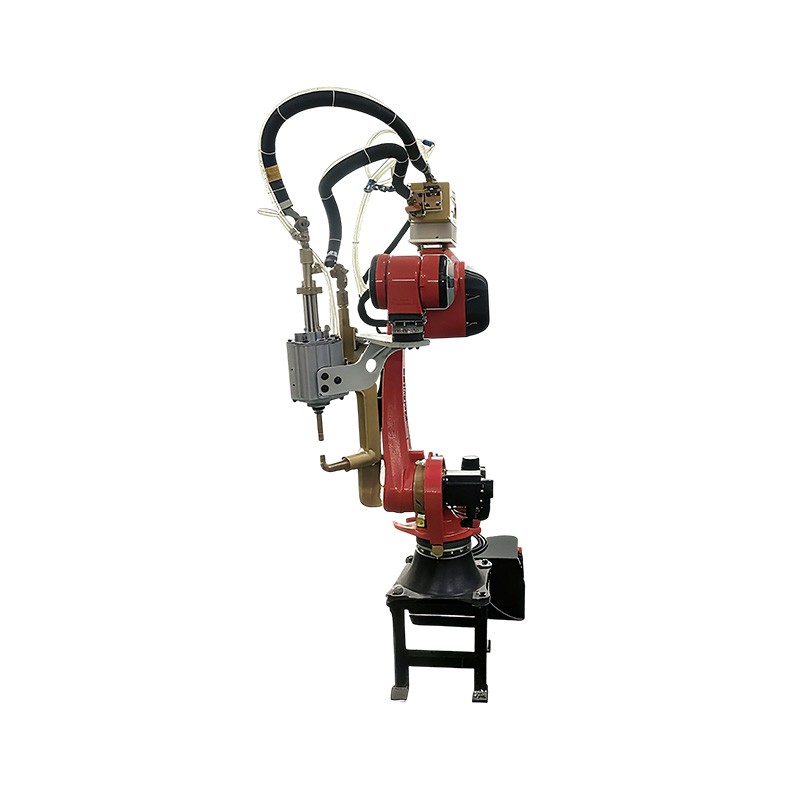
Spot Welding Robot
High-Speed, Precision Spot Welding for Automotive, Appliance, and Industrial Applications
Increase welding efficiency and consistency with our Spot Welding Robot, engineered for automotive, appliance, and industrial metal assemblies.
Key Advantages
Precision Welding – ±0.05 mm repeatability ensures consistent weld placement across all parts.
High Load Capacity – Supports up to 20 kg, accommodating spot welding clamps, transformers, and accessories.
Flexible Multi– Angle Welding – 6-axis robotic arm enables complex part welding without frequent fixture changes.
High Efficiency – Rapid cycle (~0.5 s per weld point) maximizes throughput and production line output.
Safety & Compliance – Wrist IP54, body IP40; compliant with EN ISO 13849 safety standards.
Technical Specifications
|
Parameter Category |
Specification |
|
Axis |
6-axis |
|
Maximum Load |
20 kg |
|
Arm Span (Reach) |
1895 mm |
|
Repeat Positioning Accuracy |
±0.05 mm |
|
Maximum Speed |
J1: 110°/s, J2: 146°/s, J3: 134°/s, J4: 273°/s, J5: 240°/s, J6: 375°/s |
|
Motion Range |
J1: ±155°, J2: -140°/+65°, J3: -75°/+110°, J4: ±180°, J5: ±115°, J6: ±360° |
|
Equipment Weight |
Approx. 230 kg |
|
Protection Class |
Wrist: IP54, Body: IP40 |
|
Installation Environment |
Operating Temp: 0~40°C, Optimal Temp: 15~25°C, Humidity: 20~80% RH (non-condensing) |
|
Air Supply Pressure |
0.5~0.7 MPa |
|
Power Supply |
220V ±10%, 50/60Hz |
|
Allowable Torque |
J4: 52 N·m, J5: 56 N·m, J6: 51.2 N·m |
|
Allowable Inertia |
J4: 0.664 kg·m², J5: 1.12 kg·m², J6: 0.397 kg·m² |
|
Core Components |
Body casting, Servo motors, Gear reducers, Electrical components – all BORUNTE brand |
|
Lubrication Volume |
J1: 1400 mL, J2: 1000 mL, J3: 800 mL, J4: 250 mL |
|
Wear Parts |
Timing belt MBT233080505, 5M-8, 85 teeth |
|
Accessories |
USB drive included |
Applications
Automotive – Car body panels, seat frames, crossbeams
Home Appliances – Refrigerators, washing machines, air conditioners
Hardware & Metal Fabrication – Furniture frames, toolboxes, connectors
Materials Supported – Low-carbon steel, high-strength steel, galvanized steel, stainless steel, aluminum alloys, brass
Why Choose This Robot
High-speed, precise, and repeatable spot welding
Flexible multi-angle operation for complex assemblies
Handles diverse metals and industrial applications
Durable, low-maintenance, and easily integrated into existing lines
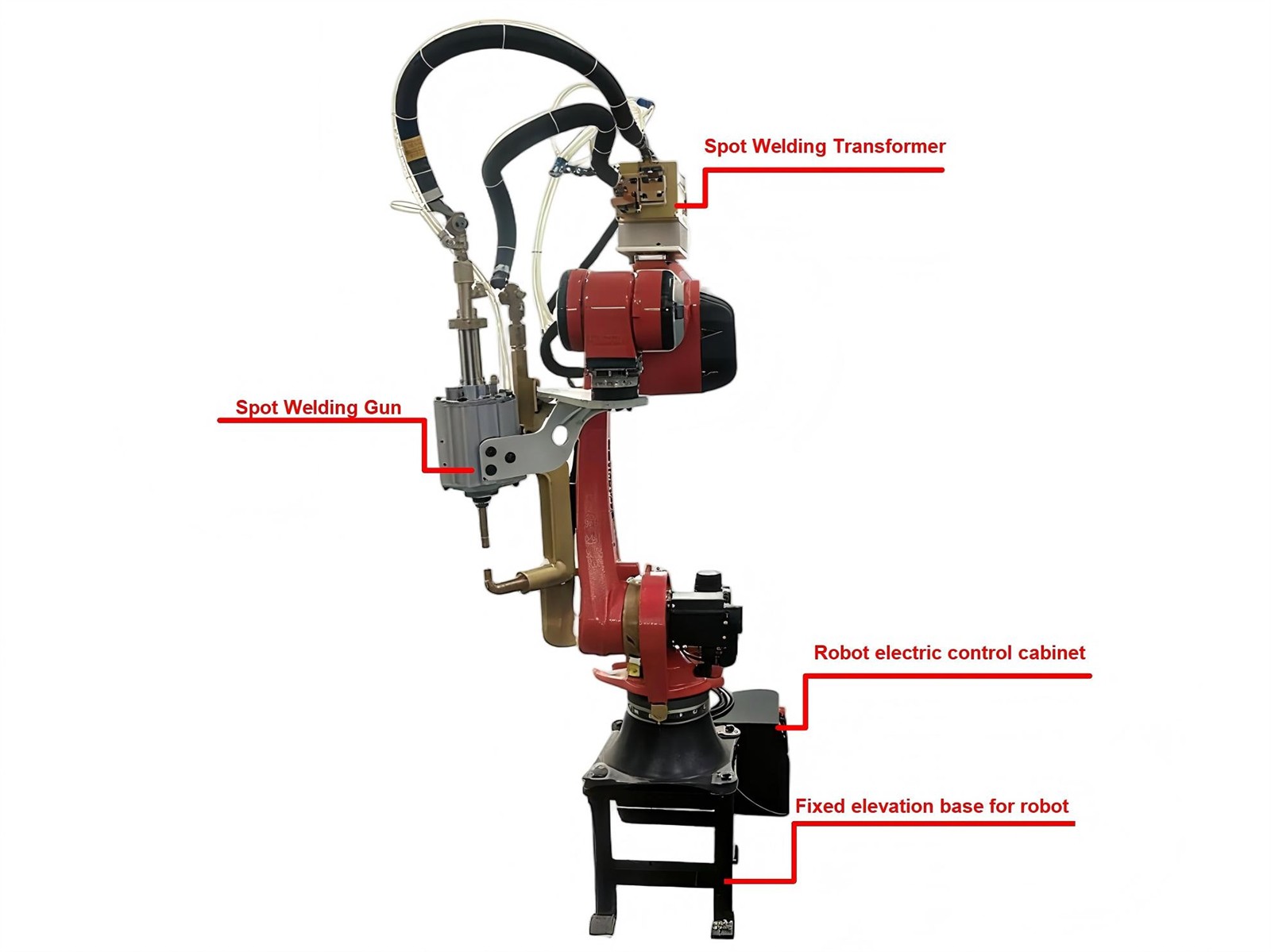
Application Fields and Compatible Materials
| Application | Typical Use | Compatible Materials |
|---|---|---|
| Home Appliances | Spot welding refrigerator side panels, crossbeams, washing machine drum brackets, air conditioner shells | Cold-rolled steel, galvanized steel, aluminum alloys |
| Automotive | Spot welding car body panels (doors, roof, trunk), frame crossbeams, seat frames, instrument panel brackets | Low-carbon steel, high-strength steel, galvanized steel |
| Hardware Products | Spot welding metal furniture frames, toolboxes, hinges, connectors |
Low-carbon steel, stainless steel, brass |


FAQ
Hot Tags: spot welding robots, China spot welding robots manufacturers, suppliers, factory, Argon Arc Welding Robot, Spot Welding Robots, 3d robot laser cutting machine, TlG welding robot, automatic pneumatic welding robot, robotic welder