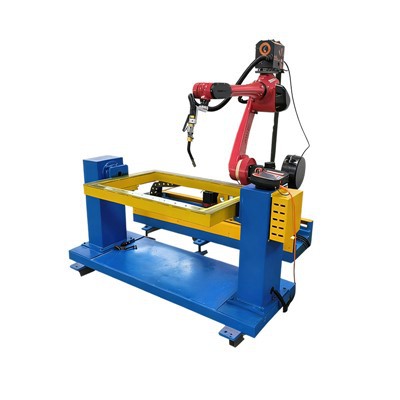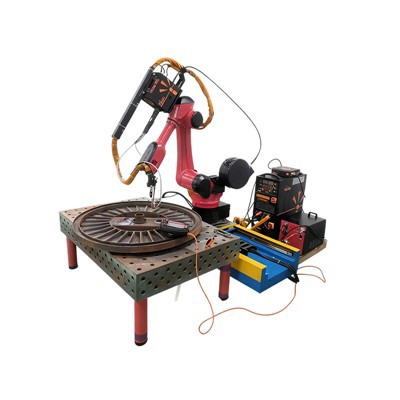
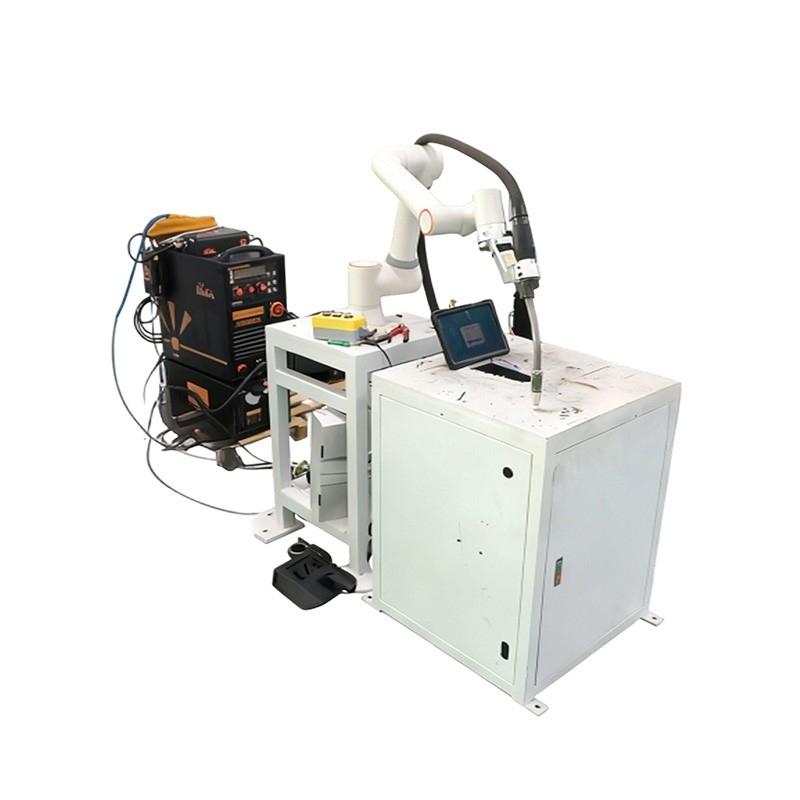
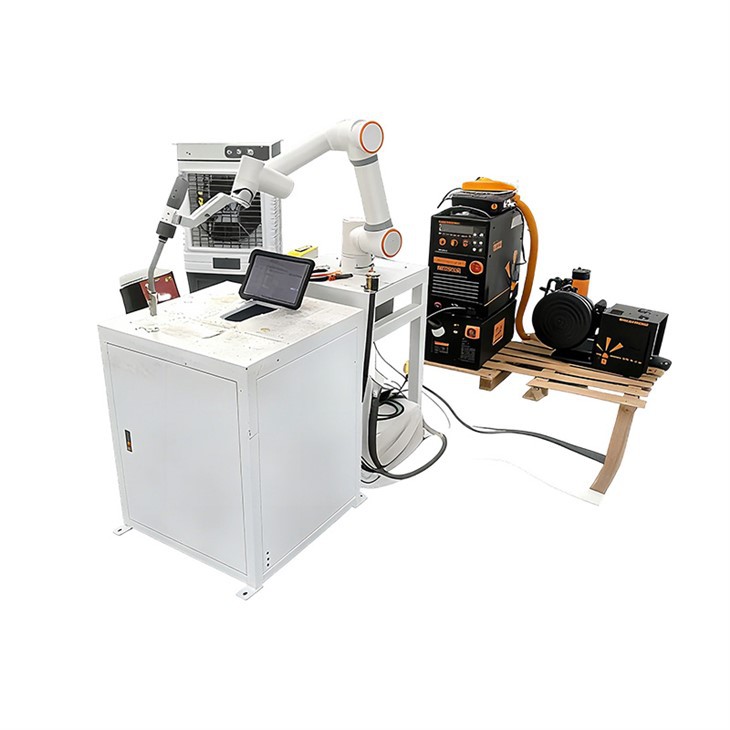
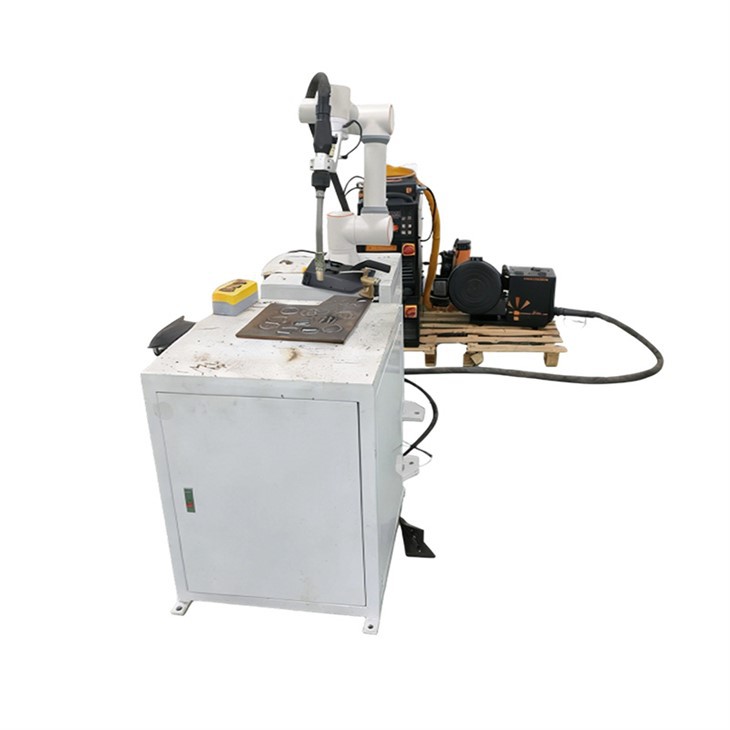
Collaborative Welding Robot for Flexible Industrial Production
Safe, Efficient, and Adaptable Welding Solutions for Modern Manufacturers
Work safely alongside operators, reduce labor costs, and ensure consistent weld quality with our collaborative welding robot.
Core Features
- 6 rotating joints for complex weld paths
- Supports steel, stainless steel, and aluminum welding
- Optional 3D vision for part alignment
- Quick setup for small-batch or mixed-product lines
Technical Parameters
|
Parameter Category |
Specific Specification |
|
Collaborative Welding Robot Basic Parameters |
Payload: 5 kg; Working Radius: 922 mm; 6 Rotating Joints |
|
Repetitive Positioning Accuracy |
±0.02 mm |
|
Safety Performance Parameters |
Collision Force Threshold: ≤50 N; Safety Stop Response Time: ≤100 ms; Compliant with ISO/TS 15066 Collaborative Robot Standard |
|
Drag Teaching Parameters |
Supports "drag-and-record" function; Point Recording Response Time: ≤200 ms |
|
Environmental Adaptability |
Operating Temperature: 0–45 °C; Humidity: ≤90 % RH (non-condensing); Noise: <65 dB |
|
System Weight |
Robot Body: ≤22 kg |
Applications and Production Scenarios
- Small-Batch Automotive Component Welding
- Electrical Enclosures & Panels
- Industrial Machinery Subassemblies
- Custom Fabrication Workshops
Why Choose Our Collaborative Welding Robot
Human-Safe Design: Certified to international collaborative robot standards.
High Precision & Reliability: ±0.02 mm repeat positioning accuracy ensures consistent weld quality.
Flexible and Lightweight: Quick integration into existing or mixed production lines.
Comprehensive Support: Installation, operator training, and maintenance guidance included.
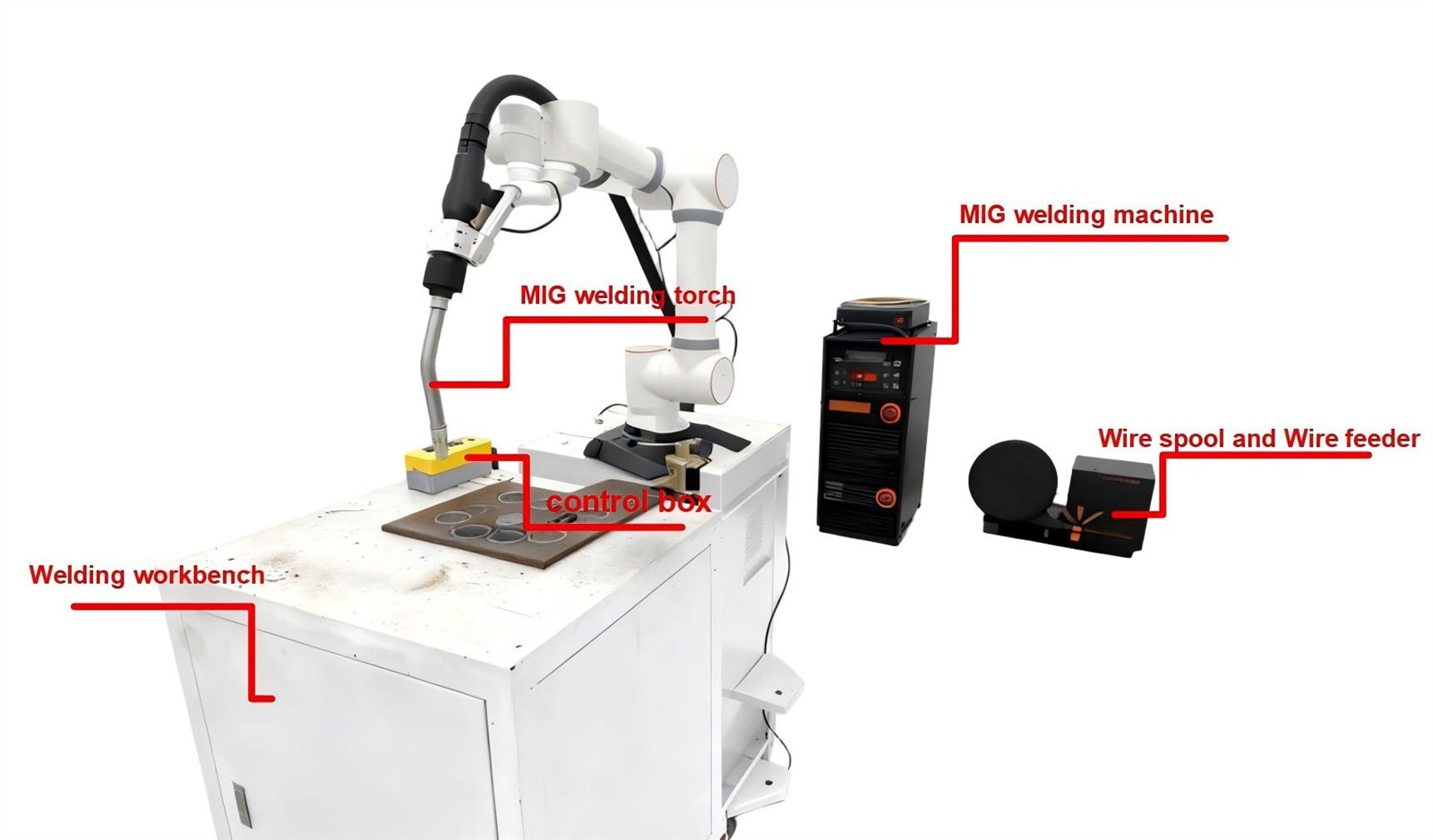
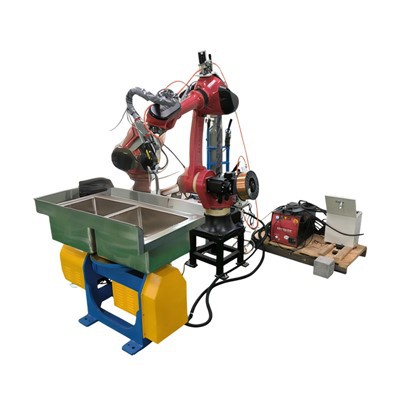
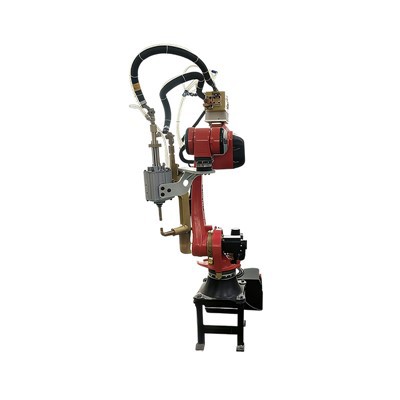
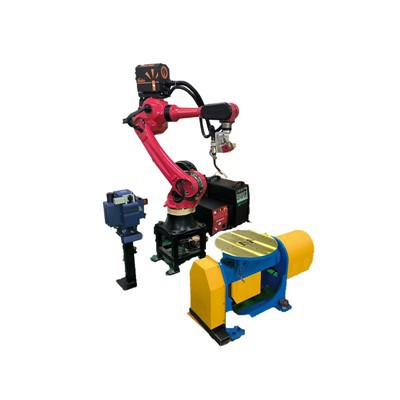
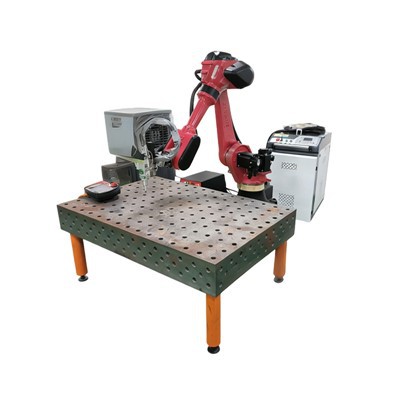
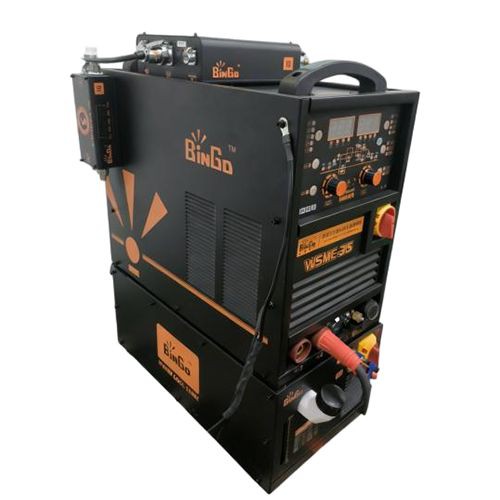
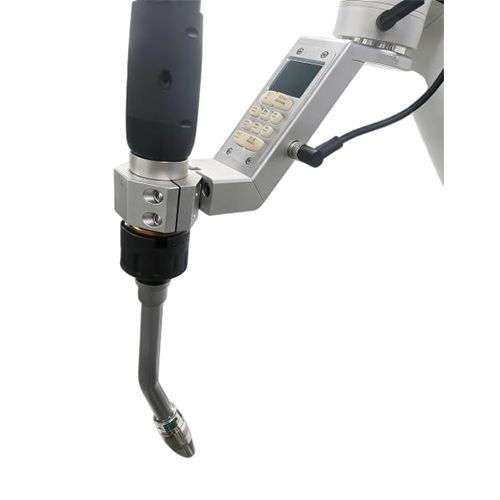
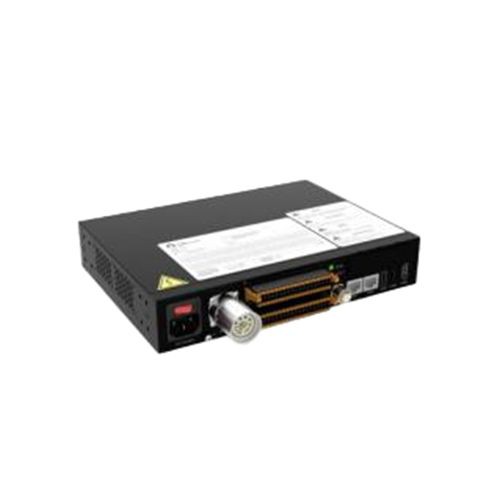
N-site Simulation and Structural Close-up Display
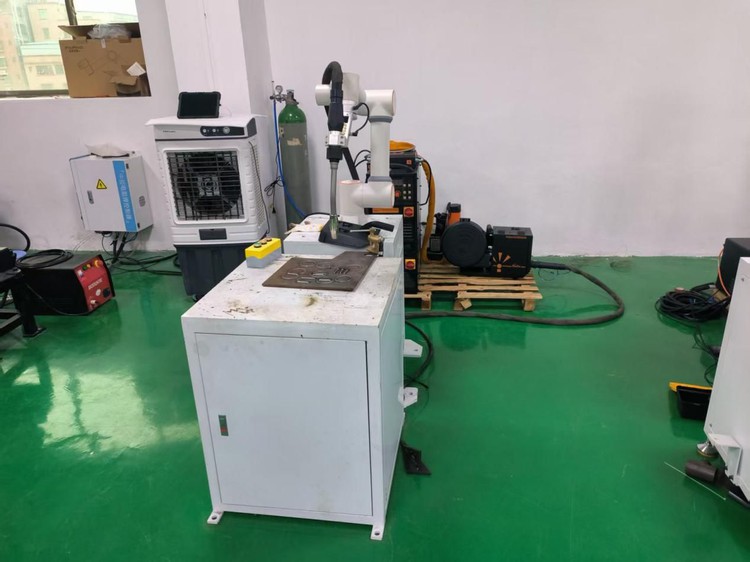
Figure 2.1 On-site Physical Object Diagram
FAQ
Hot Tags: collaborative welding robot, China collaborative welding robot manufacturers, suppliers, factory, Argon Arc Welding Robot, Spot Welding Robots, 3d robot laser cutting machine, TlG welding robot, automatic pneumatic welding robot, robotic welder