Designed for Automotive Production Efficiency
The 6-axis robotic arm with ±0.05 mm repeat accuracy maintains stable coating overlap.
1587 mm arm reach supports multi-angle spraying on large automotive parts without frequent fixture repositioning.
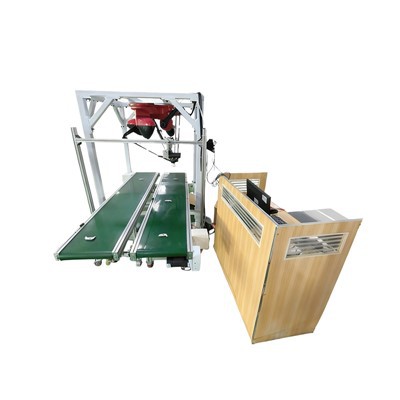
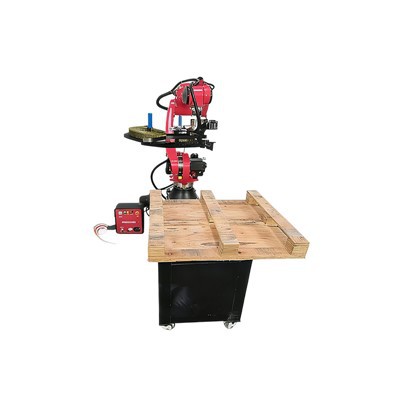
The dual-station rotary platform allows spraying and loading operations to run simultaneously.
10 kg payload structure supports spray guns, paint hoses, and auxiliary routing without affecting spraying stability.
The teaching-based trajectory system reduces setup time during product switching by allowing direct path recording.
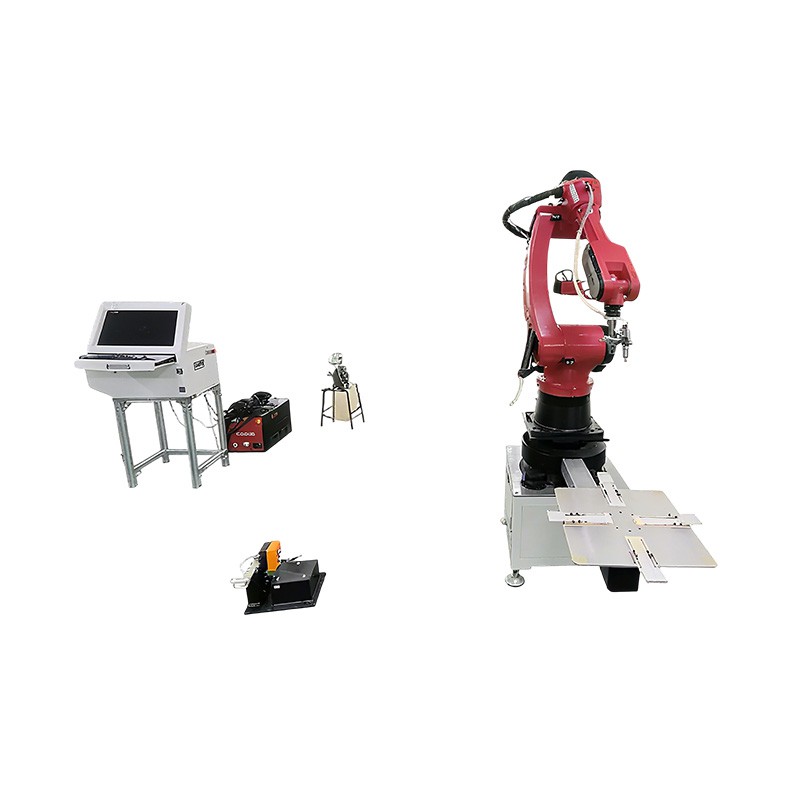
The integrated diaphragm pump and spray control system maintains stable paint delivery during continuous batch production.
Equipment Specifications
|
Parameter Category |
Specific Specification |
|
Arm Span |
1587 mm |
|
Repeat Positioning Accuracy |
±0.05 mm |
|
Maximum Load |
10 kg |
|
Power Capacity |
5.06 kVA |
|
Equipment Weight |
Approximately 152 kg |
|
Protection Class |
Wrist: IP54, Body: IP40 |
Automotive & Industrial Painting Applications
Typical production applications include:
- Automotive bracket and hinge coating
- Engine decorative cover painting
- Wheel cap spraying systems
- Automotive plastic component finishing
- Industrial hardware surface coating
- Consumer electronics housing painting
Supported Materials & Paint Types
Compatible substrate materials:
- Cold-rolled steel
- Galvanized steel
- 6061 aluminum alloy
- PP composite materials
- ABS / PC engineering plastics
Supported coating materials:
- Acrylic enamel paint
- Amino baking paint
- Polyurethane coatings
- UV-curable coatings
- Matte industrial coatings
- Weather-resistant coating materials
Production Line Compatibility
The system can be configured for:
- Rotary automotive paint stations
- Conveyor-based spraying lines
- Standalone robotic coating cells
- Semi-automatic industrial paint layouts
Operating Conditions & Service Requirements
Recommended operating environment:
- Temperature range: 5–38°C
- Humidity range: 35–65%
- Ventilated explosion-proof workshop conditions
Routine maintenance includes:
- Spray nozzle cleaning
- Diaphragm pump inspection
- Axis lubrication
- Electrical system inspection
- Trajectory data backup
- Residual paint cleaning is recommended regularly to maintain stable coating quality.
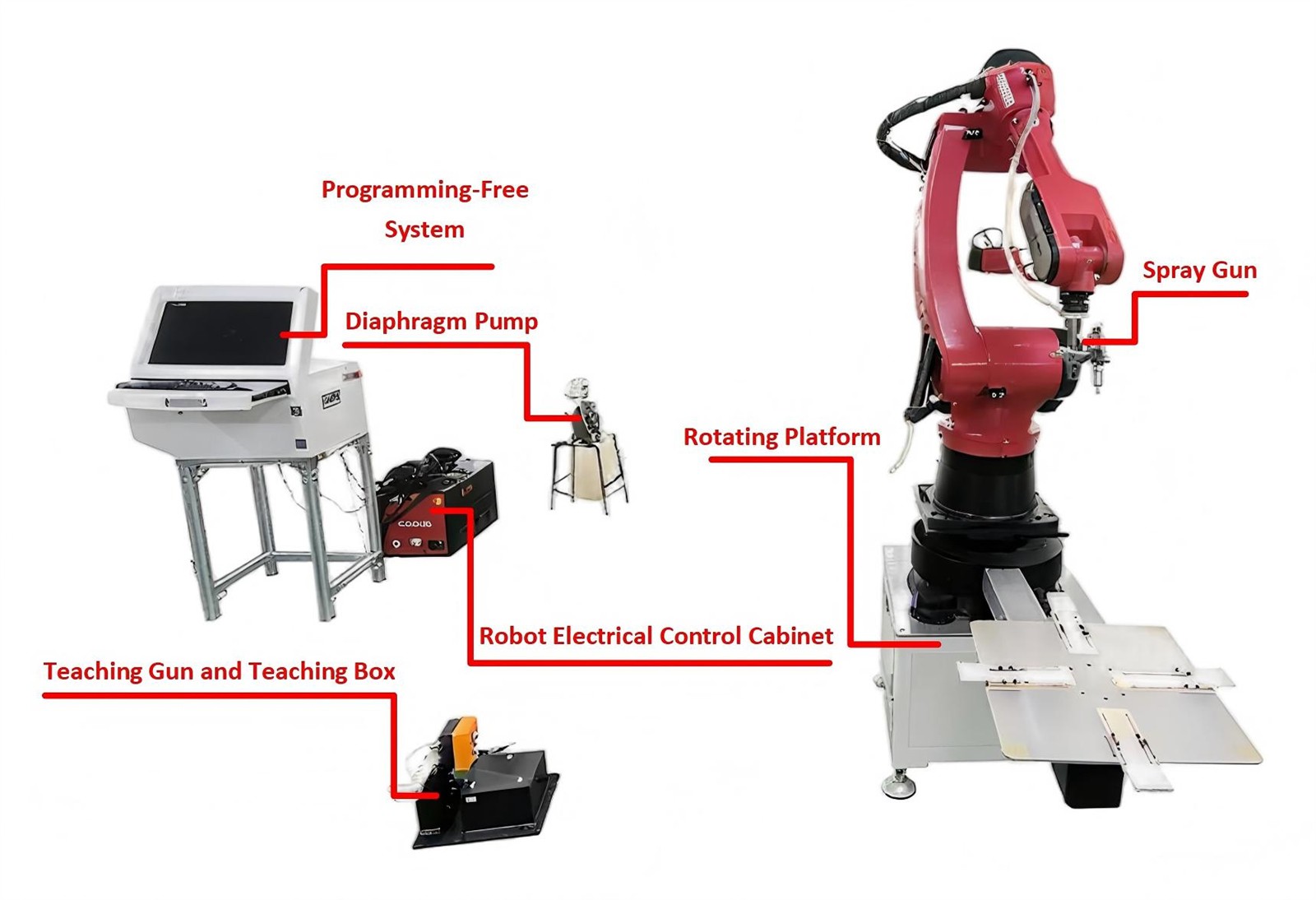
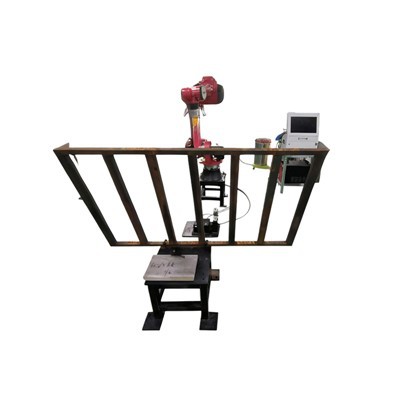
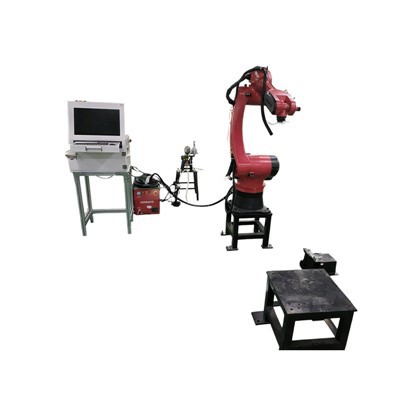
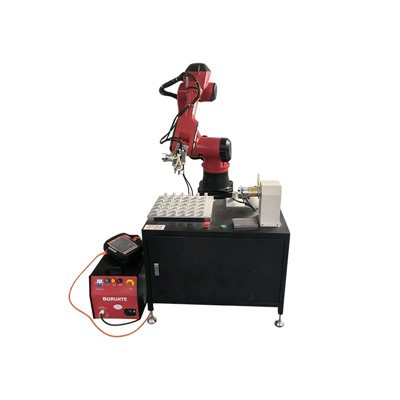
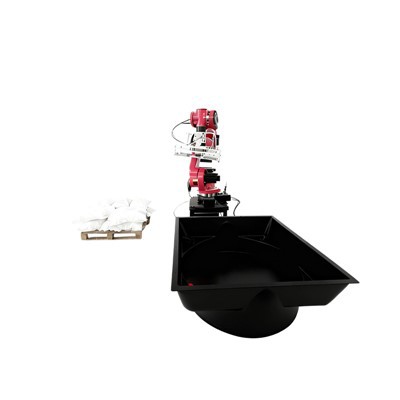
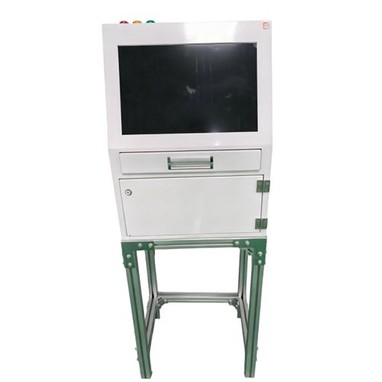
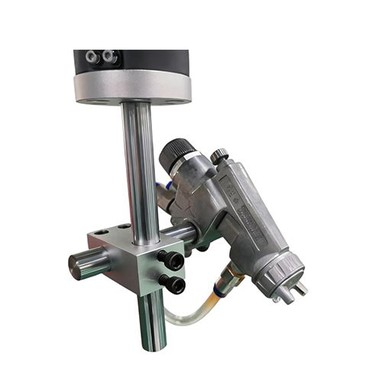
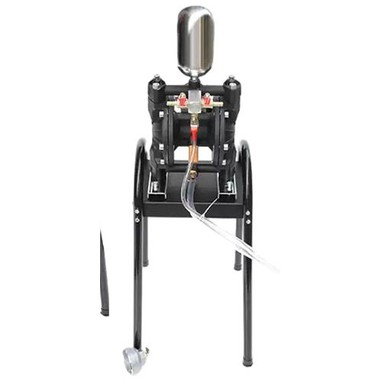
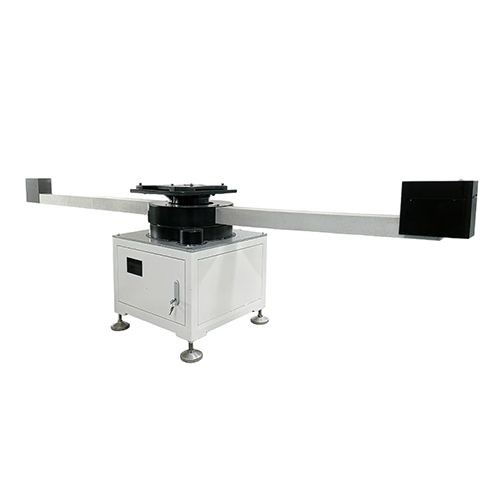
On-Site Simulation and Structural Close-Up Display
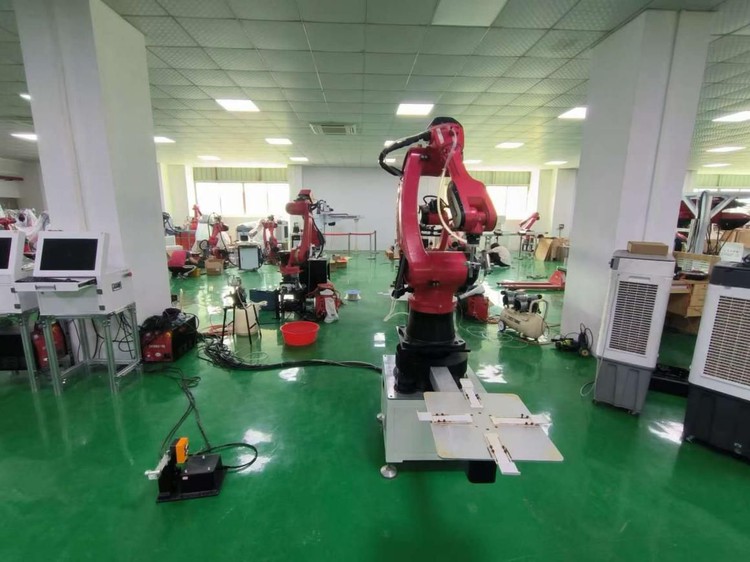
Figure 2.1 On-site Physical Object Diagram
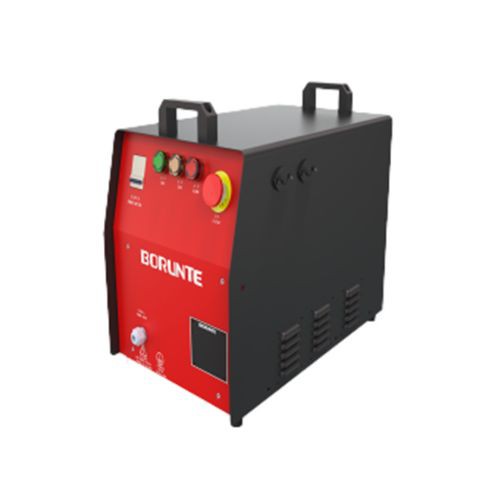
Robot Electrical Control Cabinet
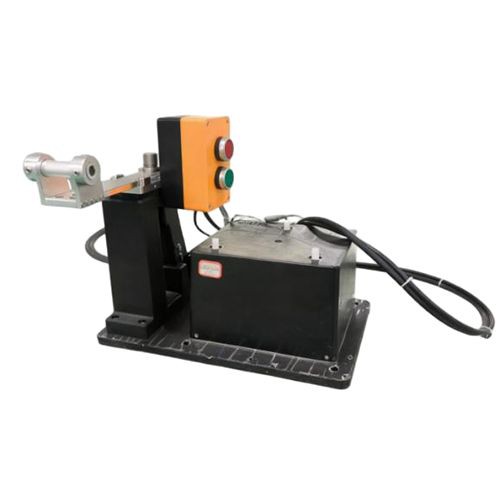
Teaching Gun and Teaching Box
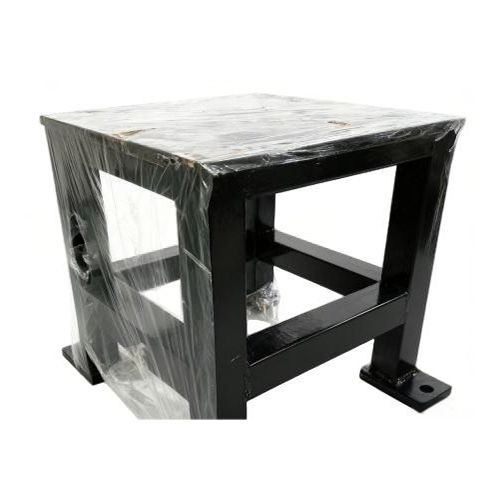
Elevated Fixing Base/Workbench
FAQ
Hot Tags: paint robots automotive industry, China paint robots automotive industry manufacturers, suppliers, factory, Automotive Spraying Robot, spray painting in robotics, industrial spraying robot, robotic spray painting machine, robotic spray painting, robotic arm spray painting